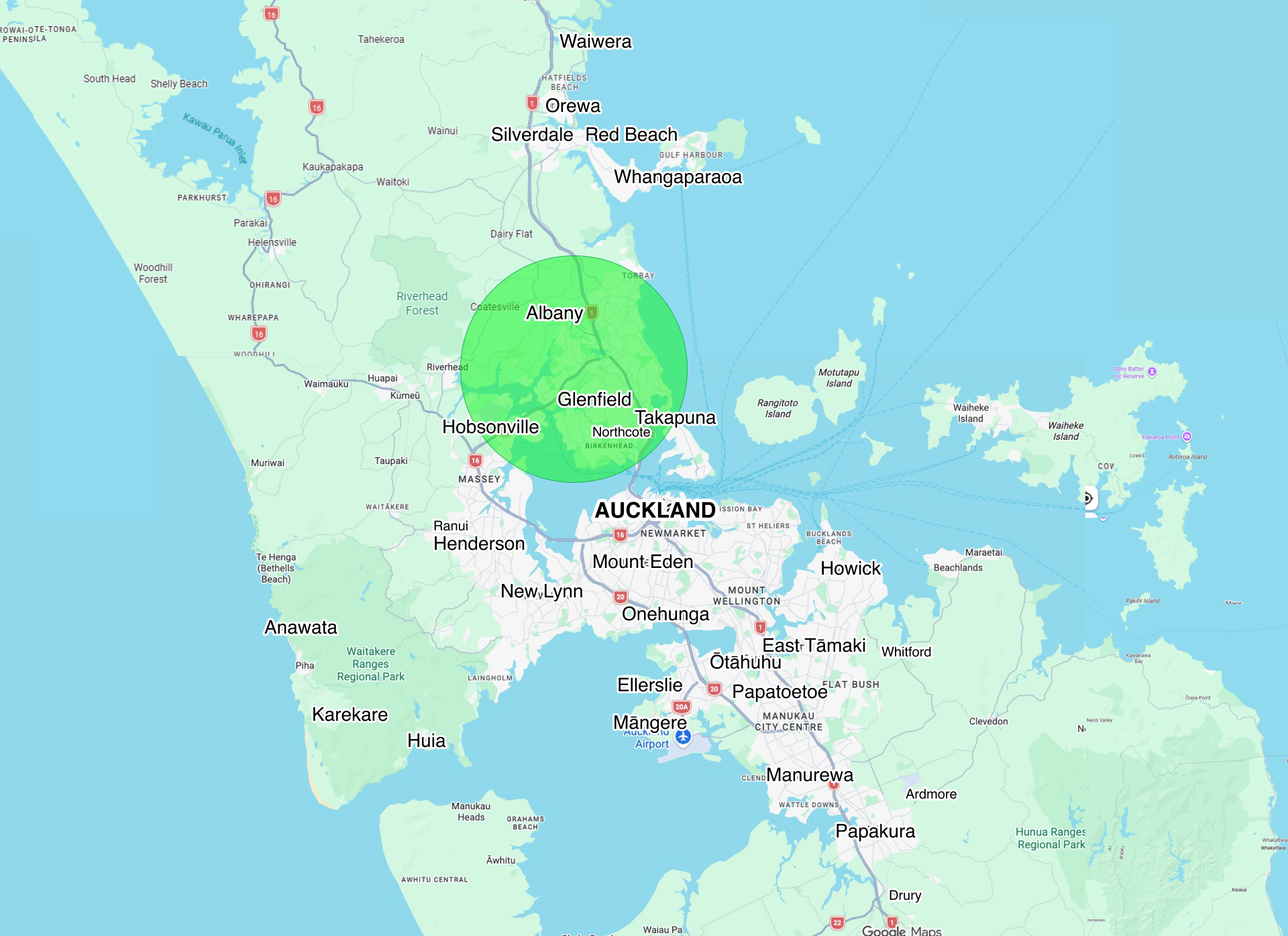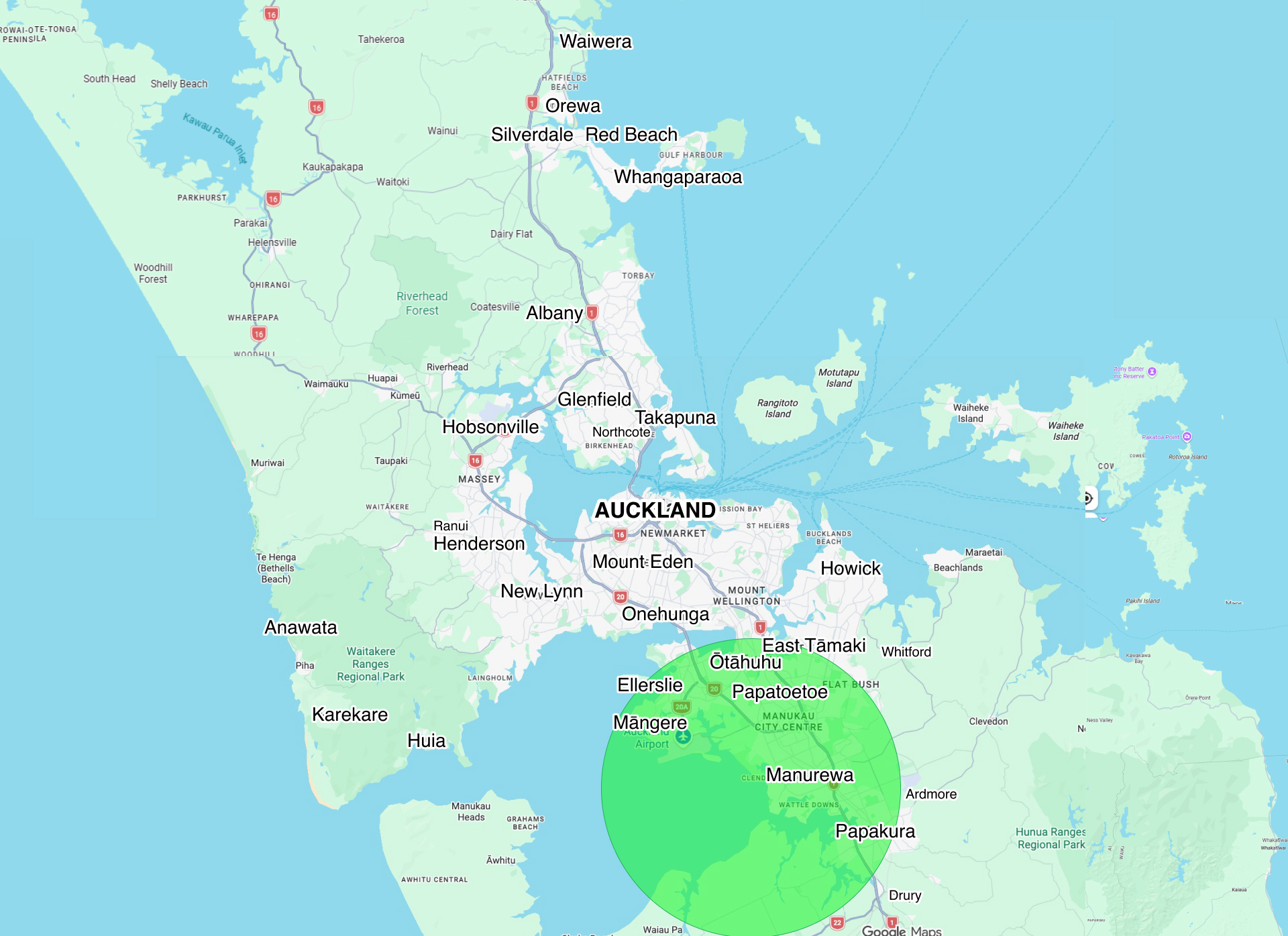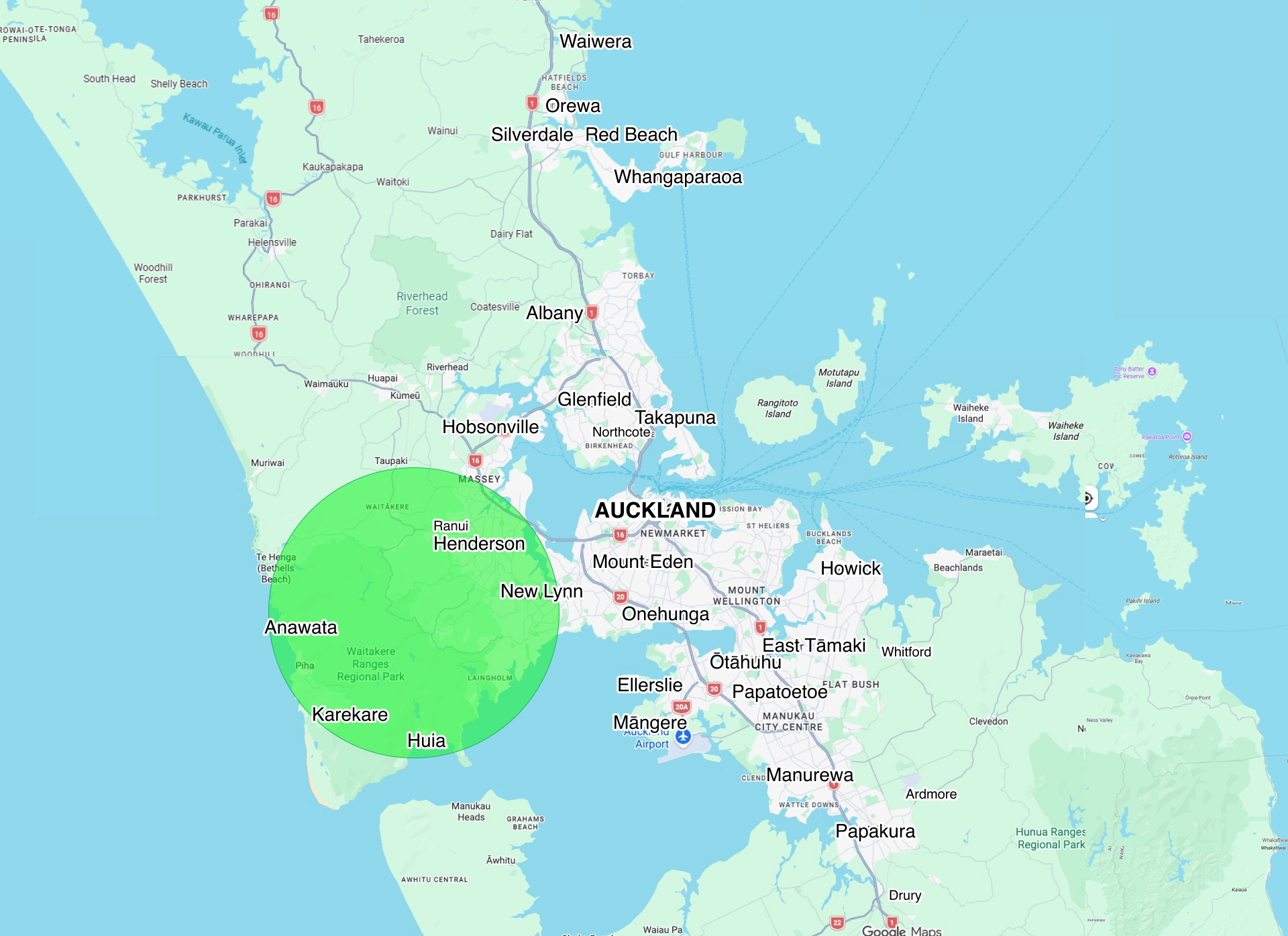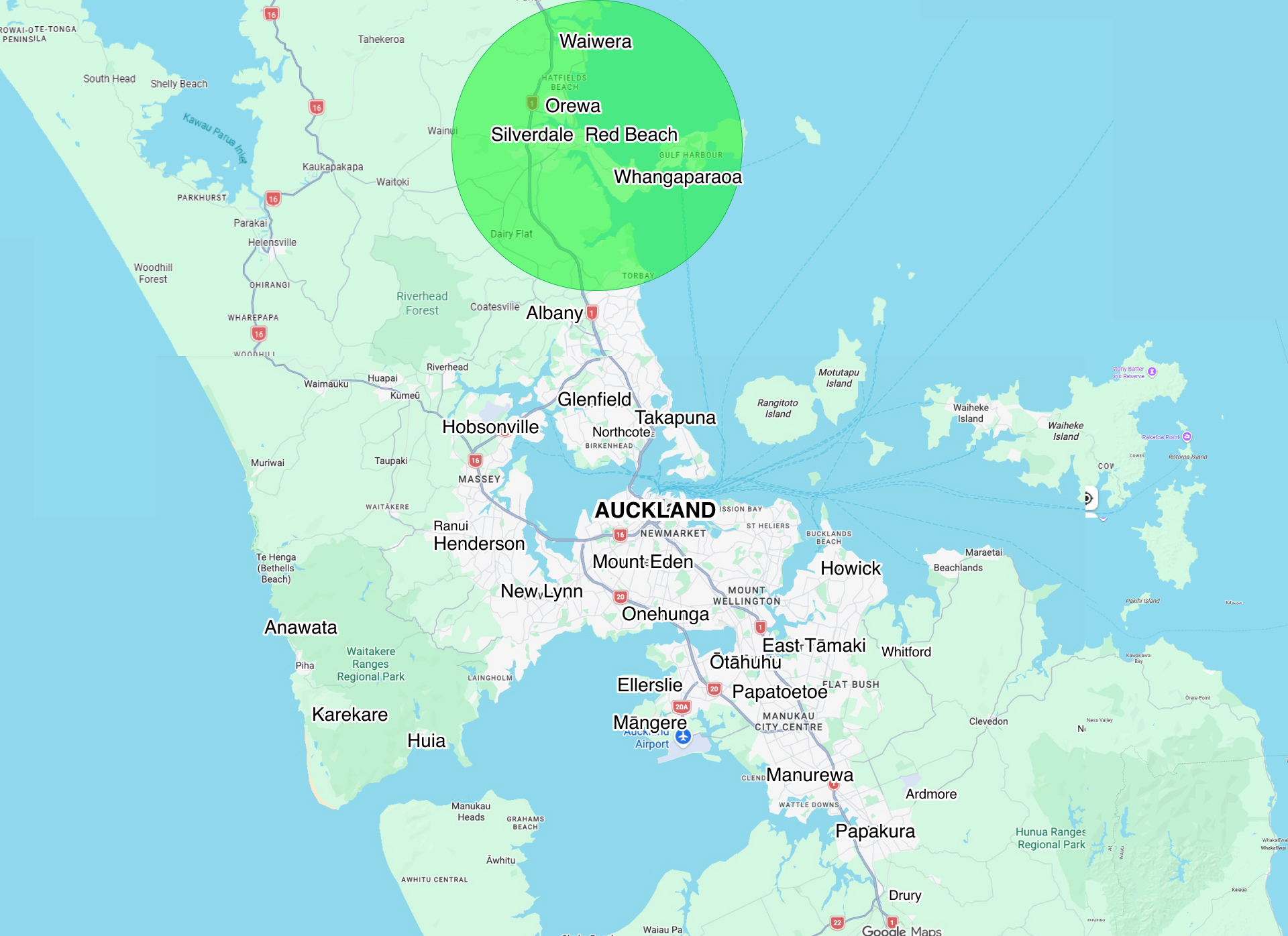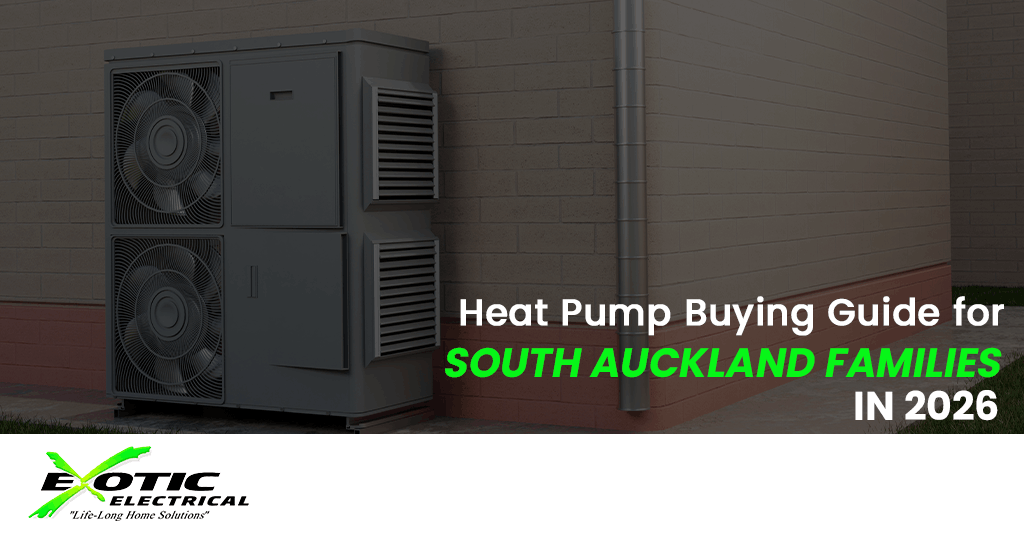
Choosing a heat pump is a big decision for both your home and your budget. This 2026 guide walks South Auckland families through every step. You’ll learn how to pick the perfect system for your house and our local climate. Let’s find your best match with advice trusted by local experts like Exotic Electrical, turning the process of heat pump installation in South Auckland into a confident choice.
Key factors South Auckland families should consider before buying
Many South Auckland homes are older and were built before modern insulation standards. Because of this, a proper in-home assessment becomes far more important here than in newer suburbs with standardised builds
- Home Size & Room Coverage
Start by measuring your main living space, especially if it is an open-plan area, as this directly affects the capacity required.
- Insulation & Ceiling Height
Homes that are well insulated and have standard ceiling heights can maintain temperature fairly well; a unit sized right for such a home can be more efficient.
- Noise Levels & Family Comfort
Always review the decibel (dB) ratings, as it indicates how much noise the unit produces while operating. When it comes to bedrooms and other living areas, having a quieter indoor unit is very important.
- Power Consumption & Running Costs
This is where the star rating becomes your best friend for long-term savings. Higher star ratings means lower power consumption, which can reduce your monthly power bills.
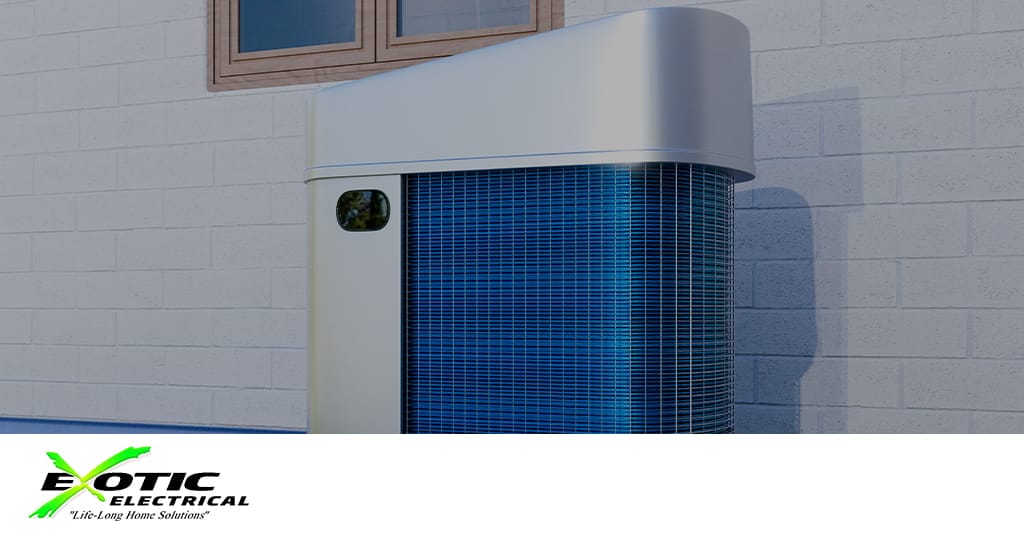
Types of Heat Pumps explained
Not all systems are the same. Here’s which suits different homes.
- High Wall Heat Pumps
High-wall heat pumps work best for single rooms or open-plan living spaces, offering an economical installation option while remaining highly energy-efficient.
- Floor Console Heat Pumps
It is an appropriate option when wall space is very limited. These units are typically installed in corridors or rooms that have large windows.
- Ducted Heat Pump Systems
It is a comfort system that offers whole-home comfort using inconspicuous ceiling vents. It should be considered at most during new construction or significant renovations..
- Multi-Split Systems
One outdoor unit connects to two or more indoor units. Perfect for heating or cooling several bedrooms or separate living zones.
Best Heat Pump brands in New Zealand (2026 Edition)
Each of the top brands trusted by local professionals has different strengths.
| Brand | Known For |
| Mitsubishi Electric | Robust performance and long-term reliability |
| Haier | Cost-effective with reliable performance |
| Gree | Energy efficient and dependable heating and cooling |
| Panasonic | Advanced air purification and filtration features |
| Carrier | Powerful heating capability for cooler climates |
At Exotic Electrical, we base our recommendations on three main factors: first, the product must have been proven to be reliable in our local conditions. Secondly, it should be easy to get the parts locally, and lastly, it should be clear how well the manufacturer supports the warranty of the product.
Want to know about the installation cost of a heat pump in South Auckland? Check out the link below, where we share all the pricing factors in detail. “How Much Does Heat Pump Installation Cost in South Auckland? (2026 Guide)”
Best Heat Pump features for families in 2026
South Auckland families should prioritise these features when choosing a heat pump:
- Prioritise Wi-Fi control for easy management from your phone.
- Look for advanced filtration systems to reduce dust and allergens.
- Very low noise operation (under 20dB) is ideal for bedrooms.
- Look for models that offer follow-me sensors that direct air to where people are in the room.
Maintenance & Servicing tips for long-term performance
The long-term performance of your heat pump is ensured by regular maintenance and servicing. Some of the easy tips are given below:
- Check the washable indoor air filter monthly, especially at the time of heavy use.
- Make sure the leaves, dirt, and plants do not overgrow the outdoor unit.
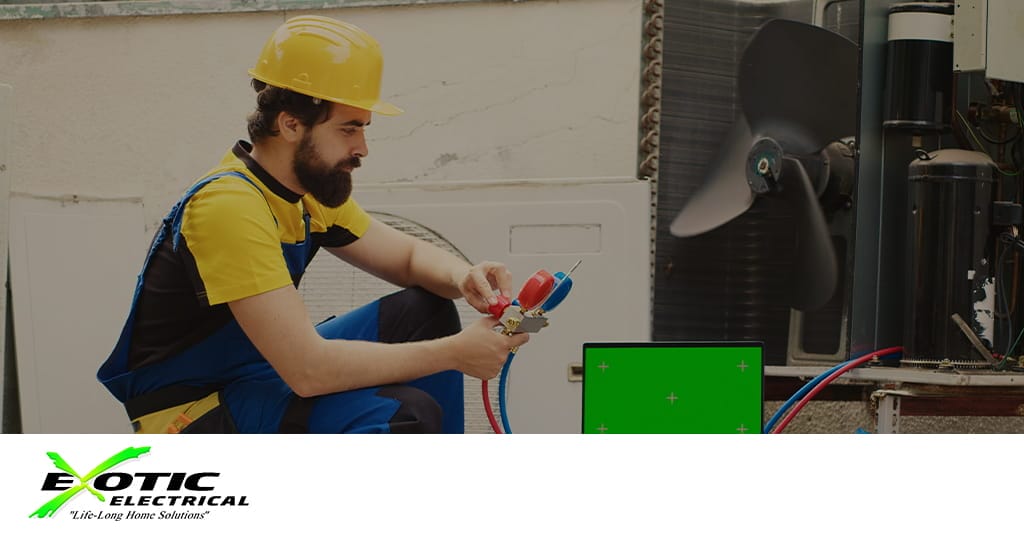
- Schedule a professional servicing every 2 to 3 years. It keeps the system working efficiently and extends its life.
FAQs – Heat Pump buying guide for South Auckland
- What size heat pump do I need for a 3-bedroom home?
A 6-7kW high-wall unit is common for a 3 bedroom home. You need to focus on the main living area first. Bedrooms may need separate units or a multi-split system for zoned comfort.
- Are heat pumps good for Auckland’s humidity?
Yes, heat pumps are helpful in Auckland’s humidity. In cooling mode, they actively remove moisture from the air, making your home feel more comfortable.
- Do heat pumps work in winter frost?
Modern models work efficiently in low temperatures. The best ones include defrost cycles to handle frosty mornings.
Conclusion
A good heat pump can be your South Auckland home’s source of comfort year-round. By taking care to size it correctly, choosing efficient models, and having a professional heat pump installation in South Auckland, you will not only save on running costs but also improve the family’s long-term well-being.
Contact our trusted team at Exotic Electrical, who will, in turn, provide you with professional advice and a quote specific to your house.